If you have dogs or cats that love being in the water —whether it’s swimming in the pool, splashing at the beach, or just taking regular baths— you know that keeping their hair under control can be a real challenge. What starts as a fun moment often turns into frustration when you find fur floating in the water, clogging filters, or sticking to every surface.
But beyond the mess, shedding in dogs and cats can also signal underlying health or grooming issues. In this post, we’ll explore why pets shed, when it becomes abnormal, and how to control shedding effectively, especially for those that spend time in or around water.
Why Do Dogs and Cats Shed Hair?
Shedding is a completely natural process. Both dogs and cats shed their coat several times a year, particularly during seasonal changes. This allows their fur to renew and adapt to the temperature.
However, when pets are frequently exposed to water —from swimming, frequent baths, or humid climates— the shedding cycle can accelerate or become unbalanced.
Water washes away the natural oils that protect their coat and skin, leading to dryness, irritation, or uneven shedding. Using the wrong shampoo or drying them improperly can make things worse, resulting in excessive hair loss.
Normal vs. Abnormal Shedding
Recognizing what’s normal and what’s not is key:
- Normal shedding: Hair falls evenly across the body, the skin looks healthy, and no bald patches appear. You might find fur on your clothes, bedding, or in the water after a bath.
- Abnormal shedding: You’ll notice bald spots, redness, irritation, crusty skin, constant scratching, or an unpleasant odor. These signs may indicate allergies, parasites, fungal infections, or even stress.
If your dog or cat is losing more hair than usual or seems uncomfortable, consult your veterinarian. A simple check-up can rule out hormonal issues or infections that require treatment.
The Problem with Fur in Water
Loose fur in water isn’t just unsightly —it’s also problematic. When your pet swims or bathes, their hair can clog drains, filters, and pipes, making cleaning much harder.
Wet fur also tends to stick to tiles, towels, and floors, trapping moisture and bacteria that lead to bad odors.
That’s why it’s essential to prepare your pet before bath time or swimming. Brushing your pet beforehand helps remove loose hair and drastically reduces the amount that ends up floating in the water.
Tips to Reduce Shedding When Your Pet Gets Wet
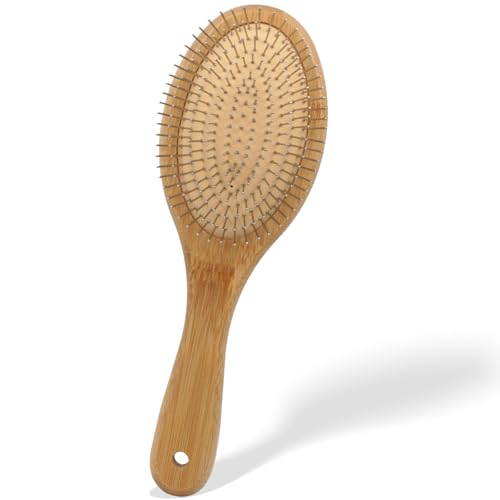
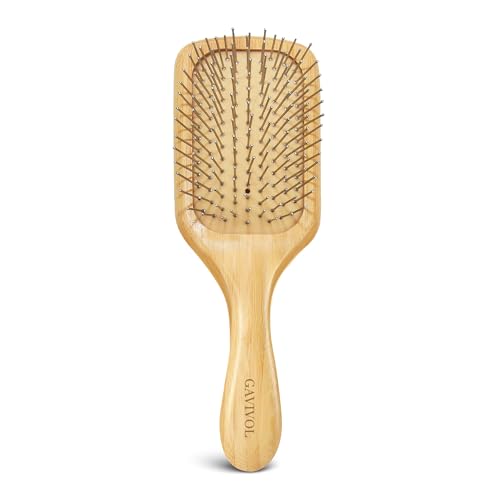
- Brush regularly
Daily or every-other-day brushing is the best defense against shedding. Use a deshedding brush or slicker brush suited to your pet’s coat type.
👉 On Amazon, the FURminator Deshedding Tool is one of the top choices, removing up to 90% of loose fur without irritating the skin. - Use proper shampoo
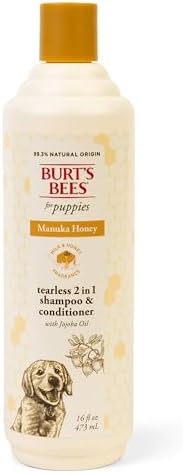
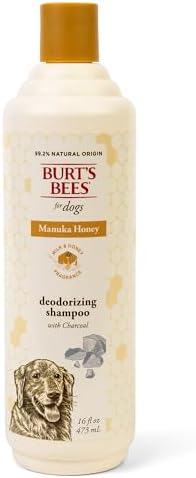
Avoid generic or harsh shampoos. Look for a moisturizing, pH-balanced formula for dogs or cats. If your pet swims often, consider shampoos that protect from chlorine or salt water.
👉 Try Burt’s Bees Hypoallergenic Pet Shampoo, great for sensitive skin. - Dry thoroughly
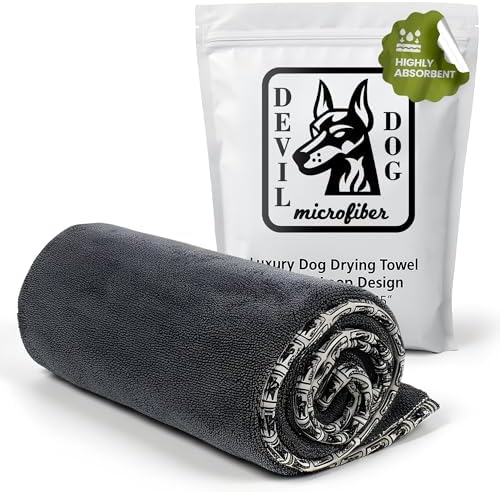
Never let your pet air-dry in cold or humid weather. Use a microfiber towel or a pet-safe blow dryer with adjustable heat.
👉 The PetAmi Microfiber Towels are highly absorbent and gentle on fur. - Add nutritional supplements
A strong coat starts from within. Omega-3 fatty acids and biotin supplements can help reduce shedding and improve coat texture.
👉 The Zesty Paws Salmon Oil for Dogs & Cats is a customer favorite for supporting skin and coat health. - Protect your pool and drains
If your pet swims regularly, install hair catcher filters or drain strainers to prevent clogs. These affordable accessories can save you from costly maintenance later.
Make Bath Time a Positive Experience
While many dogs love water, some cats —and even a few dog breeds— can find bath time stressful. Stress is another factor that contributes to shedding.
To avoid this, make the bath a pleasant experience: use warm water, keep a calm tone, and reward your pet with natural treats afterward. The more relaxed your furry friend feels, the healthier their coat will be.
When to See the Vet
If you notice dull fur, dandruff, bald spots, or inflamed skin, it might indicate an infection or an allergy.
A veterinarian can prescribe topical treatments, supplements, or dietary changes to restore your pet’s coat health.
Avoid using human products —even baby shampoo— as they can upset your pet’s skin pH and cause further irritation.
Final Thoughts: Prevention Is the Key
Having dogs or cats in the water doesn’t have to mean battling endless hair. With the right routine —regular brushing, quality grooming products, and proper nutrition— you can keep shedding under control and enjoy water time with your pets without the mess.
Ready to take action? Check out the best pet grooming tools and anti-shedding products available on Amazon. Your furry companion will thank you with a shinier, healthier coat and fewer hairs floating around your home.